In This Guide
1. The Stakes of Online Reputation for Neurologists
The U.S. neurology market is valued at over $30 billion with a projected shortage of 20,000 neurologists by 2030, creating both high demand and intense competition among existing practitioners.
Neurologists who treat chronic conditions depend on long-term patient relationships. A single negative review about bedside manner or diagnostic delays can redirect years of potential patient revenue to competitors.
Most neurologists believe their reputation is built on referrals and word of mouth. It used to be. Now your patients with neurological conditions and referring physicians search your name before they ever pick up the phone. One negative article, one bad review, one outdated complaint — and they move on to the next neurologist on the list. You never even knew they were looking.
The asymmetry is brutal: one negative result can undo thousands of dollars in marketing. But a managed reputation — one where positive content fills page one — converts browsers into clients passively, around the clock.
Research from Harvard Business School shows a one-star increase in a Yelp rating leads to a 5-9% increase in revenue. For neurologists, the effect is compounded: patients with neurological conditions and referring physicians are making high-stakes decisions and weigh online reputation more heavily than buyers of commodities.
2. Run a Reputation Audit
Before you can fix your reputation, you need to see what patients with neurological conditions and referring physicians see. Open an incognito browser and run these four searches:
- Your full name — the most common search patients with neurological conditions and referring physicians run
- Your name + your city — local reputation check
- Your practice or company name — business reputation
- Your name + "reviews" — what people say about you
For each search, classify every page-one result as positive, negative, or neutral. Count the results you control versus those you do not. Pay special attention to review aggregators like Healthgrades, Vitals, RateMDs — these often rank higher than your own website for name + review searches.
This audit gives you a baseline. You will repeat it monthly to track progress. Any negative result on page one is an active problem. More than one is an emergency.
3. Common Reputation Threats for Neurologists
Every profession faces different reputation risks. For neurologists, the most common threats are: Misdiagnosis of neurological conditions, Medication side effect complaints, Long wait time reviews.
Common types of negative content that affect neurologists:
- Negative reviews on Healthgrades, Vitals, RateMDs or Google — often from a single unhappy individual who writes on multiple platforms
- Complaint sites — platforms like Ripoff Report or Complaints Board that rank well in Google and are difficult to remove
- Outdated news — old articles about legal issues, controversies, or negative events that no longer reflect reality
- Competitor attacks — negative SEO, fake reviews, or content designed to damage your ranking
- Social media incidents — old posts, comments taken out of context, or online conflicts that have been archived and indexed
You cannot delete most negative content from Google. Removal requests work only when content violates specific policies (personal information, defamation confirmed by court order, certain legal categories). For everything else, the strategy is suppression: pushing negative results to page two and beyond by ranking positive content above them.
4. Suppress Negative Results
Suppression works by creating and optimizing enough positive content to fill page one, pushing negative results to page two where fewer than 1% of searchers look.
1 Identify your ranking assets
List every web property you control or can create: personal website, Google Business Profile, LinkedIn, professional directory profiles, social media accounts, and content platforms. Each one is a potential page-one result. For neurologists, industry-specific directories and review platforms are particularly powerful ranking assets.
2 Optimize existing properties
Update every profile with your canonical name, current title, professional headshot, and complete information. Google rewards complete, recently-updated profiles with higher rankings. A dormant LinkedIn profile ranks lower than an active one.
3 Create new content assets
Publish articles on high-authority platforms. Contribute guest posts to Neurology journal, Annals of Neurology. Create profiles on platforms you have been neglecting. Each piece of content that ranks for your name pushes the negative result one spot closer to page two.
4 Build backlinks strategically
The content assets that rank highest are the ones with the most authoritative backlinks. Internal linking between your own properties, press coverage that links to your website, and professional directory listings all strengthen the ranking power of your positive content.
5. Master Review Management
For neurologists, reviews are the front line of reputation management. A neurologist with 200 five-star reviews on Healthgrades, Vitals, RateMDs has built an almost impenetrable reputation wall. A neurologist with 8 reviews and two of them negative looks risky.
The math is simple: volume dilutes negative reviews. A single one-star review in a sea of five-star reviews is noise. The same one-star review among four total reviews is catastrophic.
Ask systematically. Every satisfied client gets a review request. Not occasionally — every time. Automate it with a follow-up email that includes a direct link to your review page. Conversion rate: 10-15%.
Respond to every review. Positive reviews: thank the person by name, mention something specific. Negative reviews: acknowledge the concern, explain what you've done about it, invite them to contact you directly. Future patients with neurological conditions and referring physicians read your responses more carefully than the reviews themselves.
Never retaliate. A defensive or aggressive response to a negative review does more damage than the review itself. Stay professional, stay specific, and stay brief.
Your patients with neurological conditions and referring physicians are Googling you right now.
Find out what they see. We'll show you every result on page one and give you a plan to take control.
Get Your Free Reputation Audit6. Build a Positive Content Wall
A "content wall" is a page-one search result where every listing is either positive or neutral. Building one requires creating enough authoritative, positive content that Google has no room to display negative results.
The target: control 8 of 10 results on page one for your name search. That means your website, two or three published articles, LinkedIn, Google Business Profile, and two to three other properties all ranking on page one.
Press coverage is the most powerful tool for building a content wall. Articles on high-authority news sites rank quickly and hold their position. For neurologists, contributed articles in Neurology journal, Annals of Neurology serve double duty: they rank well in search results and they build your authority in your field.
7. Set Up Monitoring Systems
Reputation management is not a one-time project. New content about you appears constantly: new reviews, new mentions, new articles. Without monitoring, a new negative result can sit on page one for weeks before you notice.
Three monitoring systems every neurologist needs:
Google Alerts. Set alerts for your full name, your practice name, and your name + common modifiers ("reviews", "complaints", city name). You will get an email whenever Google indexes new content matching these terms.
Monthly search audit. Once a month, repeat the four-search audit from step two. Document what has changed. Track whether your positive content is holding its ranking or slipping.
Review monitoring. Set up notifications on Healthgrades, Vitals, RateMDs and Google Business Profile so you are alerted to every new review within hours. Speed of response matters — a fast, professional response to a negative review minimizes damage.
8. The Knowledge Panel Advantage
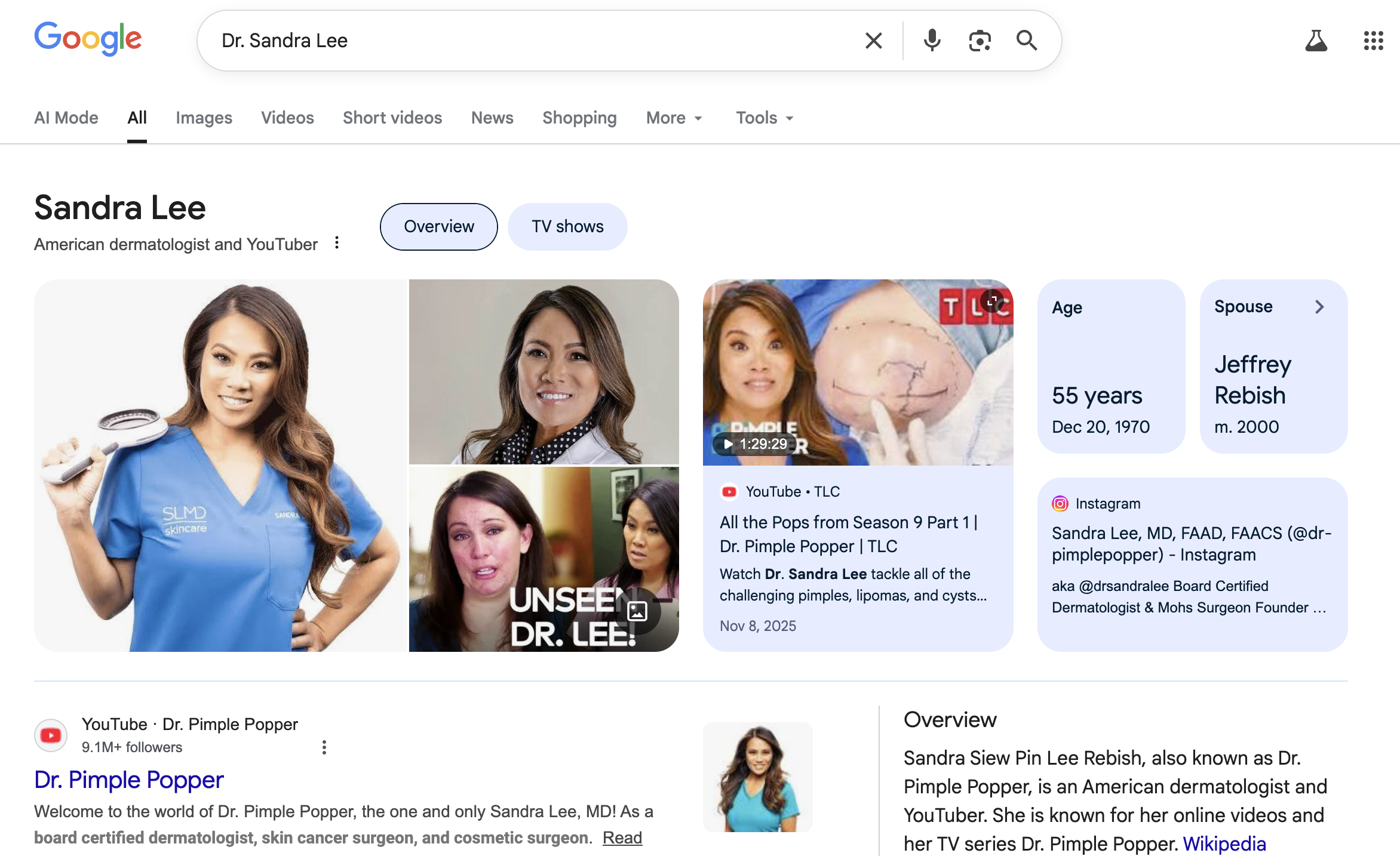
A Google Knowledge Panel is the most powerful reputation management asset a neurologist can have. It takes up a large portion of the search results page, it signals Google's recognition of you as an entity, and it pushes other results — including negative ones — lower on the page.
neurologists with a Knowledge Panel have a structural advantage: the panel itself, plus their website, plus their LinkedIn, plus their published articles fill most of page one. There is physically less room for negative content to appear.
Check If Google Already Recognizes You
Our free tool searches Google's Knowledge Graph API to see if you have entity data — the foundation of a Knowledge Panel. Neurologists who have existing data are closer to a panel than they think.
Check Your Knowledge Graph Status →Frequently Asked Questions
How can neurologists manage negative reviews online?
Some negative content can be removed if it violates platform policies, contains defamatory statements, or includes personal information. Most negative results, however, cannot be removed and must be suppressed by ranking positive content above them.
What should a neurologist do about false information in search results?
With an active suppression strategy, most neurologists see negative results move to page two within 2 to 4 months. The timeline depends on the authority of the negative content and how many positive assets you already have ranking.
How does online reputation affect client acquisition for neurologists?
Yes, always. A professional, empathetic response to a negative review demonstrates character to future patients with neurological conditions and referring physicians who read it. Never argue, never reveal private information, and always address the specific concern raised.
Is reputation management a one-time fix or ongoing work?
Ongoing. New content about you appears constantly. Building a strong content wall provides lasting protection, but you need monitoring systems (Google Alerts, monthly search audits, review tracking) to catch new threats early.
See What Google Says About You
Get a free, personalized audit of your online presence — see exactly what shows up when people Google your name.
Get Your Free Google Audit